Premises liability is a critical legal concept for both business owners and visitors to commercial spaces. It refers to the responsibility of property owners or occupiers to maintain their premises in a reasonably safe condition and to warn of any dangers that could cause injury. In commercial spaces, this can include retail stores, office buildings, restaurants, warehouses, and other facilities where the public or employees may enter. Understanding premises liability is essential for business owners to reduce legal risks, maintain a safe environment, and protect their financial and reputational interests. For visitors, knowing the basics can help them identify unsafe conditions and take appropriate steps if an injury occurs.
Who Is Responsible Under Premises Liability
Premises liability laws generally hold property owners, landlords, or tenants responsible for injuries that occur on their property under certain conditions. In commercial settings, the property owner is typically responsible for hazards that exist due to negligence, poor maintenance, or unsafe conditions. Tenants or business operators may also share liability if they control the property or create unsafe conditions. Responsibility can vary depending on the type of entrant, whether a customer, employee, contractor, or visitor. Legal categories often distinguish between invitees, licensees, and trespassers, with invitees receiving the highest level of protection because they enter the property for business purposes.
Common Hazards in Commercial Spaces
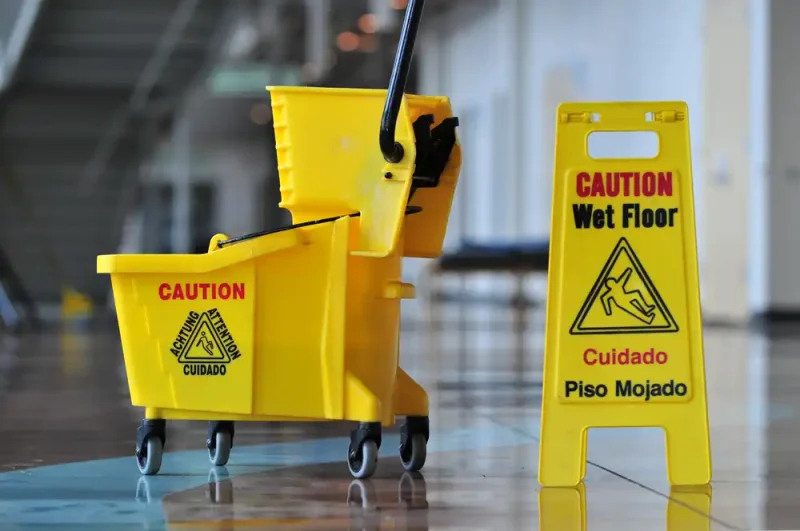
Commercial spaces present a wide range of potential hazards that can give rise to premises liability claims. Wet or slippery floors, uneven flooring, broken stairs, exposed wiring, insufficient lighting, and poorly maintained elevators are frequent culprits. In retail settings, cluttered aisles, unsecured displays, or falling objects can cause injuries. Outdoor areas may have trip hazards, icy walkways, or unshoveled snow during winter months. Restaurants may face slip-and-fall risks due to spilled food or wet entryways. Identifying and addressing these hazards proactively is crucial for preventing injuries and reducing liability exposure.
Duty of Care for Commercial Property Owners
Property owners have a legal duty of care to maintain safe conditions and take reasonable steps to prevent foreseeable harm. This includes regular inspections, prompt repairs, and clear warnings about known hazards. The duty of care also extends to ensuring employees are trained to maintain safety standards and to comply with local building codes and safety regulations. For example, a grocery store must promptly clean up spills and place warning signs, while an office building must ensure stairways and common areas are free from obstructions. Meeting this duty of care helps protect the business from potential lawsuits and demonstrates a commitment to customer and employee safety.
Liability for Negligence
Premises liability claims often hinge on proving negligence. To establish negligence, an injured party must show that the property owner or operator had a duty of care, breached that duty, and that the breach directly caused the injury. Evidence can include maintenance records, surveillance footage, witness statements, and prior incident reports. In commercial settings, negligence may arise from failing to fix a known hazard, ignoring safety regulations, or creating conditions that endanger visitors. Legal claims can be complex, requiring thorough documentation and expert testimony to determine fault and assess damages accurately.
Insurance and Risk Management
Business owners can mitigate premises liability risks through comprehensive insurance coverage. General liability insurance often covers injuries occurring on the property, including medical expenses, legal fees, and settlement costs. Additionally, risk management strategies can reduce the likelihood of incidents. Regular safety audits, employee training programs, and proactive maintenance schedules help maintain a safe environment. Posting clear signage, providing adequate lighting, and addressing hazards promptly are practical measures that demonstrate due diligence. By combining insurance with proactive risk management, businesses can protect both their assets and their reputation.
Legal Implications of Premises Liability Claims
Premises liability claims can have significant legal and financial consequences for commercial property owners. Lawsuits may result in costly settlements or judgments, increased insurance premiums, and reputational damage. In some cases, repeated incidents may trigger regulatory scrutiny or lead to mandatory safety improvements. Business owners should take any claim seriously and respond promptly, involving legal counsel experienced in premises liability matters. Understanding local and state laws is essential because liability standards and defenses can vary widely depending on jurisdiction. Proper legal guidance ensures that businesses comply with regulations and defend their interests effectively.
Preventing Premises Liability Incidents
Prevention is the most effective strategy for reducing premises liability risk. Business owners should conduct regular inspections to identify potential hazards, maintain records of maintenance activities, and respond quickly to repair requests. Employee training on safety procedures and proper reporting mechanisms is also essential. Establishing clear protocols for cleaning, equipment use, and emergency situations helps maintain a safe environment for visitors and staff alike. Creating a culture of safety demonstrates responsibility and reduces the likelihood of accidents that could lead to costly claims.
Responding to an Incident
Despite best efforts, accidents can still occur. When they do, responding appropriately is crucial for both legal and safety reasons. Immediate attention to the injured party, documenting the incident thoroughly, and investigating the cause are key steps. Preserving evidence, such as photographs of the hazard, incident reports, and witness statements, can be vital if a claim arises. Communicating with insurance providers and legal counsel ensures the incident is managed in a way that protects the business while addressing the needs of the injured party. Prompt and responsible action demonstrates professionalism and can mitigate potential legal consequences.
Call Today For An Assessment
Premises liability in commercial spaces is a complex area of law that affects both business owners and visitors. Understanding the responsibilities, hazards, and legal implications is essential for maintaining a safe environment and protecting your business from liability claims. By recognizing common risks, meeting the duty of care, implementing risk management strategies, and responding appropriately to incidents, commercial property owners can reduce the likelihood of accidents and ensure compliance with legal standards. Businesses that prioritize safety not only protect their financial interests but also build trust with customers and employees, creating a secure and welcoming environment. If you want to safeguard your commercial space and ensure legal compliance, consulting with experienced legal counsel at Brodersen Law can provide the guidance needed to navigate premises liability effectively.