Serving as the executor of an estate is a meaningful responsibility that carries both legal authority and fiduciary obligations. The individual appointed to this role is tasked with ensuring that a deceased person’s final wishes are honored while also complying with applicable state laws and court procedures. For clients working with Brodersen Law, understanding the full scope of an executor’s responsibilities is essential to avoiding delays, minimizing stress, and reducing the risk of personal liability. Whether you have already been named as an executor or are considering who to appoint in your own estate plan, having a clear understanding of what the role entails can make a significant difference in the overall probate experience.

Understanding the Role of an Executor
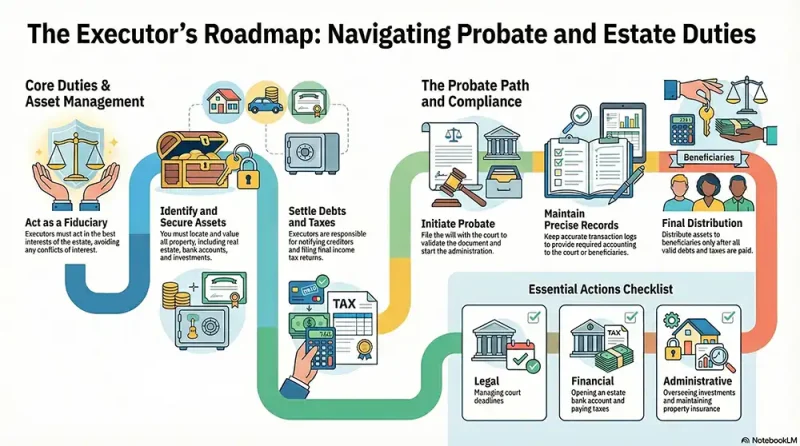
An executor is responsible for administering and settling a deceased person’s estate from start to finish. This role begins shortly after death and continues until all debts have been paid and all assets have been properly distributed. Executors must act in a fiduciary capacity, meaning they are legally required to act in the best interests of the estate and its beneficiaries at all times. This includes avoiding conflicts of interest, maintaining transparency, and exercising sound judgment when making decisions. The position often requires a combination of organizational skills, financial awareness, and legal understanding, as executors must manage everything from paperwork and deadlines to communication with beneficiaries and creditors.
Core Responsibilities of an Executor
While every estate is different, most executors can expect to handle a common set of duties throughout the administration process. These responsibilities may include: • Filing the original will with the appropriate probate court and formally initiating the probate process; • Identifying and gathering all estate assets, including real estate, bank accounts, investments, and personal belongings; • Securing and preserving property to prevent loss, damage, or unauthorized access during probate; • Obtaining date-of-death valuations for assets when necessary; • Notifying creditors and reviewing claims to determine their validity; • Paying outstanding debts, taxes, and administrative expenses from estate funds; • Managing estate property, which may include maintaining insurance coverage, paying ongoing expenses, or overseeing financial accounts; • Distributing assets to beneficiaries in accordance with the terms outlined in the will; • Keeping detailed and accurate records of all financial transactions and decisions made on behalf of the estate. Each of these steps must be handled carefully to ensure compliance with legal requirements and to prevent disputes among beneficiaries.
Navigating the Probate Process
Probate is the legal framework through which a will is validated and an estate is administered under court supervision. Although probate procedures vary by state, executors are generally required to follow strict timelines and filing requirements. In Texas, the probate process is often more streamlined than in other jurisdictions, but that does not eliminate the need for accuracy and attention to detail. Executors must ensure that all required documents are filed correctly and that deadlines are met to avoid unnecessary delays. Additionally, probate may involve court appearances, communication with court personnel, and formal notifications to interested parties. Understanding these procedural requirements early on can help executors manage expectations and keep the process moving efficiently.
Handling Financial and Tax Obligations
Managing the financial aspects of an estate is one of the most complex parts of an executor’s role. Executors are responsible for ensuring that all outstanding financial obligations are addressed before distributing assets to beneficiaries. This typically includes paying final bills, settling outstanding debts, and filing any required tax returns. In many cases, executors must file a final income tax return on behalf of the deceased. Depending on the size and structure of the estate, additional filings such as estate tax returns may also be required. Executors often need to open a separate estate bank account to handle incoming funds and outgoing payments, which helps maintain clear and organized financial records. Proper handling of these responsibilities is critical, as errors or oversights can lead to penalties or personal liability.
Communicating with Beneficiaries and Interested Parties
Clear and consistent communication is an important but sometimes overlooked aspect of serving as an executor. Beneficiaries are often navigating grief and uncertainty, and they may have questions about timelines, asset distribution, or the overall process. Executors should provide timely updates and be prepared to explain decisions when necessary. Transparency can help prevent misunderstandings and reduce the likelihood of disputes. Additionally, executors may need to communicate with attorneys, accountants, financial institutions, and other professionals involved in the administration of the estate. Maintaining professionalism and clarity in all communications can contribute to a smoother process for everyone involved.
Avoiding Common Pitfalls
Executors who are unfamiliar with estate administration may encounter challenges that can lead to costly mistakes. One of the most common errors is distributing assets before all debts and expenses have been fully resolved, which can expose the executor to personal financial liability. Other frequent issues include failing to keep accurate records, missing important deadlines, or misunderstanding the legal requirements of probate. Executors must also be cautious when interpreting the language of a will, as misinterpretation can result in disputes among beneficiaries. Taking a proactive approach and seeking guidance when questions arise can help executors avoid these pitfalls and fulfill their duties more effectively.

The Importance of Professional Guidance
Even in estates that appear straightforward, unexpected complications can arise. Executors are not expected to have all the answers, but they are expected to act responsibly and seek assistance when needed. Working with an experienced estate attorney can provide valuable support throughout the process, from filing initial probate documents to resolving disputes and ensuring compliance with applicable laws. Legal professionals can also help executors interpret complex provisions in a will, manage creditor claims, and navigate any challenges that may arise during administration. In some cases, additional professionals such as accountants or financial advisors may also be necessary to address specific aspects of the estate.
Please Reach Out If You Have Concerns
Serving as an executor is a significant undertaking that requires diligence, integrity, and a strong understanding of legal and financial responsibilities. While the role can feel overwhelming at times, proper preparation and professional support can make the process far more manageable. Executors who take the time to understand their duties and approach the role with care are better equipped to carry out the wishes of the deceased while minimizing complications for beneficiaries. Brodersen Law is dedicated to helping executors navigate each stage of estate administration with confidence, providing the guidance and support needed to ensure a smooth and efficient probate process.